Quick overview
Intelligent cost-saving initiatives use workforce analytics to reduce costs by improving how work actually gets done and enabling smarter, more sustainable decisions.
In this article, you’ll learn how workforce analytics helps you:
- Identify work-effort inefficiencies that quietly drive costs
- Eliminate financial waste from tools, subscriptions, and processes
- Measure the real impact of cost-saving initiatives over time
- Allocate time, people, and budget more effectively while preventing burnout
- Improve delivery and revenue outcomes without increasing spend
Together, these five (5) approaches show how you can reduce costs, protect productivity, and improve return on investment by making decisions grounded in real work patterns.
When you’re under pressure to reduce costs, the instinct is often to cut budgets fast.
This lack of visibility directly affects the bottom line and cash flow, often through rising overhead costs, before leaders recognize the root cause.
Teams stay busy, but effort spreads thin. Overtime increases, subscriptions accumulate across departments, and office space often sits underused as processes grow heavier instead of more efficient.
Workload imbalances go unnoticed until burnout appears. Bottlenecks slow delivery, rework increases, and opportunities for automation are missed.
Cost saving initiatives are designed to reduce unnecessary spend, but when they rely on assumptions rather than real work patterns, they often weaken performance and morale instead of strengthening profitability.
In fact, The Hackett Group reports that “69% of companies implemented major cost-cutting initiatives in 2023”, yet Gartner highlights a pattern of unforced errors that often undermine any gains from reduced spending.
What is a cost savings initiative?
A cost savings initiative is a deliberate effort to reduce unnecessary spending by examining how money is used across everyday work.
Think of it like managing household expenses. The biggest issue is rarely a single large bill. It’s the small, repeated costs that go unnoticed, from wasted raw materials to unused subscriptions and inefficient routines.
These are subscriptions you no longer need, inefficient routines, and extra effort created by poor coordination that make work less energy-efficient. Individually, they seem minor, but together, they erode profitability.
Cost savings initiatives exist to clarify where spending builds up and why it matters, creating a foundation for more intentional cost reduction.
Cost reduction initiatives vs cost savings initiatives
A cost reduction initiative focuses on reducing expenses as quickly as possible. It is usually reactive and driven by immediate financial pressure. Examples include cutting budgets, freezing hiring, cancelling subscriptions across the board, or reducing headcount. Cost reduction initiatives aim for fast relief, but they don’t always account for how work is affected.
A cost savings initiative, on the other hand, is more intentional. It focuses on removing unnecessary or inefficient spending while preserving the work that supports performance and profitability.
Instead of asking “what can we cut right now,” cost saving initiatives ask “where are costs accumulating without adding value.”
Where can workforce analytics help companies cut costs?
Should your company trim headcount or invest in R&D? Are overtime hours, SaaS subscriptions, or burdensome administrative processes the cause of budget blowouts? Are you losing clients because of missed deadlines? In an era of increasing competition and lean margins, these big questions keep business leaders up at night.
Workforce analytics is one of the most effective ways to reduce costs without forcing teams to work harder. Rather than instituting topline budget cuts, organizations use workforce insights to understand how time, effort, and resources are actually used across the workday. This visibility helps leaders streamline costs and make more cost-effective decisions by working smarter
How are they finding these opportunities? By analyzing workday insights.
Key cost categories to review before launching cost-saving initiatives
Before launching new cost-saving initiatives, clarify where costs are actually accumulating. Workforce analytics delivers the most value when applied to specific cost drivers rather than broad assumptions.
Start by reviewing whether inefficiencies exist in these common categories:
• Software and SaaS subscriptions — Are tools actively supporting work, or sitting underused?
• Meetings and collaboration time — How much productive capacity is absorbed by recurring meetings?
• Overtime and workload imbalance — Are uneven workloads quietly increasing labor costs?
• Rework and workflow delays — Where do bottlenecks or repeated handoffs create avoidable effort?
• Office space utilization — Does actual work behavior align with space costs?
• Vendor and external provider spend — Are third-party costs tied to measurable output?
Even one overlooked category can quietly reduce return on investment. Reviewing these areas with real work data ensures your cost-saving initiatives focus on root causes instead of surface-level reductions.
5 ways workforce analytics supports intelligent cost saving initiatives
When you understand how time, effort, and tools are used across teams, cost saving initiatives become more targeted and less disruptive.
This clarity helps you reduce unnecessary spend while protecting performance and profitability.
1. Identify work-effort inefficiencies
Costs often rise even when spending looks the same. Teams stay busy, but work slows and deadlines slip. The issue is usually how work moves, not who is doing it, and that’s where significant savings appear.
Here’s how analytics helps in practice. You can see:
- How time is spent across tasks and projects
- Where work slows down or stops moving forward
- Where tasks repeat, bounce between roles, or require rework
For example, you might notice redundancies such as a task taking three handoffs instead of one, or a project that consistently stalls during reviews. With this visibility, you can simplify workflows, reduce rework, and remove friction and create space for continuous improvement without increasing costs.
When cost saving initiatives focus on fixing how work flows, you reduce hidden costs without cutting people or lowering quality.
2. Eliminate financial waste
As teams grow and priorities shift, spending across business operations often drifts. Subscriptions pile up, licenses stay assigned, and different teams use different tools for the same work.
Clear visibility into work patterns helps identify opportunities for lower costs by showing:
- Which apps and tools are actually used during work
- How often tools are used, and by whom
- Where the same type of work happens across multiple tools, including messaging apps and social media platforms
This often occurs when two teams use separate tools for the same task, or when licenses are assigned to roles that rarely use them, making it harder to renegotiate contracts with confidence.
With this insight, you can consolidate tools, remove unused subscriptions, right-size access, and negotiate better deals by aligning procurement with real usage.
Focusing on spending that no longer supports day-to-day work makes cost reduction more sustainable without disrupting how teams operate.
3. Measuring the impact of new initiatives
Cost-saving initiatives often fail because there’s no clear way to tell if they’re helping or hurting. Establishing a clear baseline and internal benchmark helps leaders separate short-term savings from sustained improvement while keeping key stakeholders aligned with clear insight.
Visibility into work before and after changes reveals improvements in operational efficiency, including
- How long does work take before and after a change
- Whether overtime, rework, or delays increase or decrease
- How workloads shift across teams as processes change
You might notice work finishing faster but overtime increasing, or costs dropping while rework rises. These patterns highlight where sustainability is at risk before quality, morale, or delivery suffer.
Tracking real work patterns lets you refine decisions early, avoid unintended consequences, and keep improvements aligned with long-term profitability.
4. Optimizing resource allocation
Allocating time, people, and budget more efficiently is often a more effective and sustainable cost reduction approach than cutting expenditure. Problems arise when workloads drift out of balance and early signs of burnout go unnoticed.
Clear visibility into work distribution improves forecasting across teams and roles, including:
- Which teams or individuals consistently operate at or above capacity
- Where work queues form and slow delivery
- Where available capacity exists but goes unused
For instance, some teams may work late while others finish early, or projects may slow down because urgent tasks rely on the same people. Clear visibility helps rebalance workloads and support employee well-being.
Aligning work with real capacity reduces overtime, prevents burnout, and improves delivery without increasing headcount. It also keeps cost-saving initiatives focused on smarter allocation rather than cuts that weaken performance.
5. Identify opportunities to improve revenue and delivery
Cost-saving initiatives shouldn’t only reduce spend. They should also help you improve results that directly affect revenue and customer retention, without adding headcount or budget.
Analytics helps you see how work patterns influence outcomes, including:
- Where delivery delays affect customer satisfaction
- Which workflows slow response times or project completion
- Where teams spend time on low-value work instead of revenue-driving tasks
- Which processes consistently deliver better results with less effort
For example, customer projects may slip because of repeated handoffs across your internal supply chain, or support teams may spend too much time on manual work. Fixing these gaps improves delivery speed, customer experience, and retention, while protecting the employee perks that help teams stay engaged as you scale or outsource.
Removing friction from daily work frees up time for higher-value activities, making cost management easier and helping you serve more customers while improving profitability without increasing costs.

Many cost-saving initiatives fail because they rely on one-time cuts instead of ongoing visibility. Without a clear view of how work changes over time, inefficiencies return, and decisions start reacting to pressure rather than facts.
Better decision-making requires consistent insight into how work actually happens across teams, tools, and external providers.
Knowing the benefits of workforce analytics is one thing. Executing it consistently across teams, tools, and workflows requires the right platform. This is where Time Doctor supports that execution.
Turning workforce analytics into action with Time Doctor
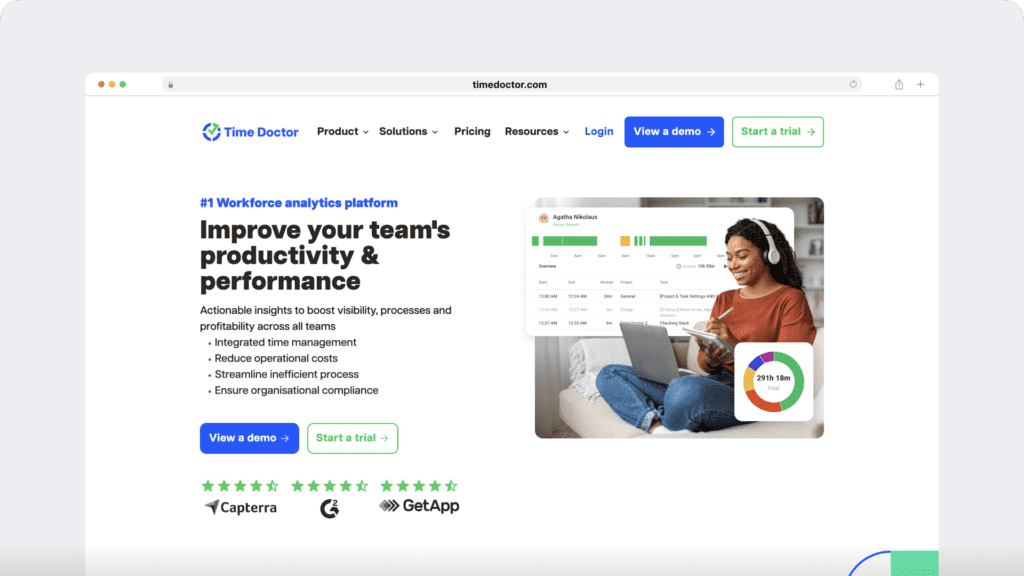
To make cost-saving strategies work long term, you need a system that continuously captures and translates work activity into actionable insights. Time Doctor is a cloud-based workforce analytics platform that shows how time, effort, and tools come together across remote work, hybrid, and in-office teams.
Gain visibility without micromanagement
Time Doctor combines employee time tracking and productivity analytics to show how work flows across tasks, projects, and teams. This structured data translates daily activity into measurable cost-saving actions, from reducing idle time to optimizing workload distribution, such as improving time management, balancing workloads, and keeping delivery on pace without micromanaging.
With these insights, HR can spot burnout early, operations can fix slow or repetitive work, and leaders can quickly identify cost-saving opportunities through clear dashboards without getting pulled into daily decisions.
Reduce waste tied to tools, meetings, and software spend
Time Doctor connects real work activity to tool usage, helping you uncover waste that quietly increases operational costs. With app and website usage data, including Software Cost Insight, you can quickly see which tools support real work and which subscriptions no longer add value.
Meeting Insight shows how meetings affect focus and productivity, helping you reduce unnecessary meetings, use automation tools where possible, consolidate software, and control spend without disrupting how teams work.
Surface early signals before costs escalate
Features like the Unusual Activity Report and screen monitoring, where required by compliance, help you spot irregular patterns and delivery risks early, supporting a secure and transparent work environment, especially in regulated industries such as Healthcare.
Attendance and payroll data clarify overtime, scheduling, and pay accuracy, helping you avoid significant cost from errors or mismanaged hours while managing teams consistently.
Fit easily into your existing environment
Time Doctor integrates easily with existing systems, simplifying rollout for IT teams. Clear pricing, flexible payment terms, and modular features make it easy to scale across Technology Companies, Agencies, and growing teams without added complexity.
Whether you manage a distributed workforce or support broader supply chain management, Time Doctor provides reliable workforce analytics to help you make informed decisions that strengthen cost control, productivity, and long-term profitability.
Get a Demo to simplify workforce analytics and reduce costs without compromising performance.
Frequently asked questions (FAQs)
The purpose is to improve profitability while maintaining productivity and quality through sustainable cost reduction strategies. Time Doctor helps by revealing where effort, time, and tools no longer support outcomes, so decisions stay grounded as work changes.
Businesses reduce costs by re-evaluating inefficient workflows instead of cutting people or output. Time Doctor highlights rework, delays, and workload imbalances so improvements protect delivery quality.
You measure success by tracking key performance indicators (KPIs) as clear metrics, such as delivery speed, overtime, and workload balance over time.
Examples include removing unused software, consolidating overlapping tools, and right-sizing licenses. Time Doctor’s Software Cost Insight shows which tools actively support work and which subscriptions no longer add value.
Cost-saving initiatives reduce real estate costs by aligning space usage with actual work patterns. Time Doctor helps leaders understand how remote, hybrid, and in-office work affects space needs over time.
When guided by workforce analytics, cost-saving initiatives protect product quality by reducing rework, bottlenecks, and overload instead of cutting resources that support consistent delivery.


Carlo Borja is the Content Marketing Manager of Time Doctor, a workforce analytics software for distributed teams. He is a remote work advocate, a father and an avid coffee drinker.